How to Treat Razor Burn and Ingrown Hairs
Affiliate Disclosure: This article contains affiliate links. If you purchase through these links, we may earn a commission at no extra cost to you. As an Amazon Associate I earn from qualifying purchases. Full Disclosure
Razor burn and ingrown hairs are two of the most common — and most frustrating — skin complaints men deal with. Whether you shave your face daily, keep your neck clean, or manage body hair, the red bumps, itching, and irritation that follow a bad shave can derail your whole look.
The good news: both conditions are almost entirely preventable, and when they do appear, they respond quickly to the right treatment. In this guide, we break down exactly what causes razor burn and ingrown hairs, how to treat them fast, and how to stop them from coming back.
What Actually Causes Razor Burn?
Razor burn is a form of skin irritation caused by friction between the blade and your skin. It shows up as redness, a burning sensation, and sometimes small red bumps immediately after shaving.
The most common causes are:
- Shaving dry or with inadequate lubrication — The number one culprit. Without a proper barrier, the blade drags and tears at the skin instead of gliding.
- Using a dull blade — A dull razor requires more pressure and more passes, both of which increase friction.
- Shaving against the grain — Going against hair growth direction gives a closer shave but significantly increases irritation risk.
- Pressing too hard — Good razors do the work. Pressing down is a common beginner mistake.
- Sensitive or dehydrated skin — Skin that lacks moisture is more vulnerable to mechanical irritation.
What Are Ingrown Hairs?
Ingrown hairs are a different problem. They occur when a hair curls back or grows sideways into the skin rather than emerging through the follicle opening. The result is a small, sometimes painful bump — often with visible hair trapped beneath the surface.
Men with coarser or naturally curly hair are more prone to ingrown hairs because the hair’s shape increases the chance it will re-enter the skin after being cut. Shaving extremely close or pulling the skin taut while shaving also raises the risk.
Ingrown hairs frequently appear along the neck, jawline, and for men who shave their heads, across the scalp.
How to Treat Razor Burn (Right Now)
If you’re dealing with active razor burn, here is a proven step-by-step approach.
Step 1: Stop Shaving the Area
This one sounds obvious, but many men push through and shave again the next morning. Shaving over inflamed skin extends healing time and increases the risk of the irritation turning into a more serious skin condition like folliculitis. Give the area at least 48 hours.
Step 2: Cool the Skin Immediately
Apply a cold, damp cloth to the affected area for 5–10 minutes. Cold temperatures reduce inflammation and calm the burning sensation faster than any product. Do this before applying anything else.
Step 3: Apply a Soothing Balm or Gel
Once the skin has cooled, apply a fragrance-free aftershave balm or pure aloe vera gel. These create a protective barrier and deliver anti-inflammatory compounds directly to the irritated follicles. Avoid aftershave products containing alcohol — they will make razor burn significantly worse.
In our testing, products with niacinamide, allantoin, or centella asiatica extract performed best at visibly reducing redness within the first few hours.
Step 4: Moisturize and Leave It Alone
Apply a lightweight, fragrance-free moisturizer and resist the urge to pick, scratch, or re-examine the area repeatedly. Most razor burn resolves fully within 2–3 days with minimal intervention.
How to Treat Ingrown Hairs
Ingrown hairs require a slightly different approach because the goal is to free the trapped hair without damaging surrounding skin.
Do Not Dig or Squeeze
Squeezing an ingrown hair like a pimple usually makes it worse, pushing bacteria deeper into the follicle and increasing the chance of scarring. The urge is real, but resist it.
Exfoliate the Area
Gentle chemical exfoliation helps dissolve the dead skin cells trapping the hair. Products with salicylic acid (BHA) or glycolic acid (AHA) work well on ingrown hairs. Apply once daily to affected areas until the hair works its way free.
Use a Warm Compress
A warm, damp cloth held against the bump for 5–10 minutes softens the skin and encourages the hair to migrate upward toward the surface. Repeat twice daily.
Free the Hair Carefully
Once the tip of the hair is visibly near the surface, use a sterilized pair of tweezers to gently lift — not pull — the loop of hair above the skin. Do not pluck it out entirely; simply release it from beneath the skin surface and let it grow normally.
Apply a Targeted Treatment
After freeing the hair, apply a BHA-based serum or an aftershave product with tea tree oil to prevent bacterial buildup in the freshly opened follicle.
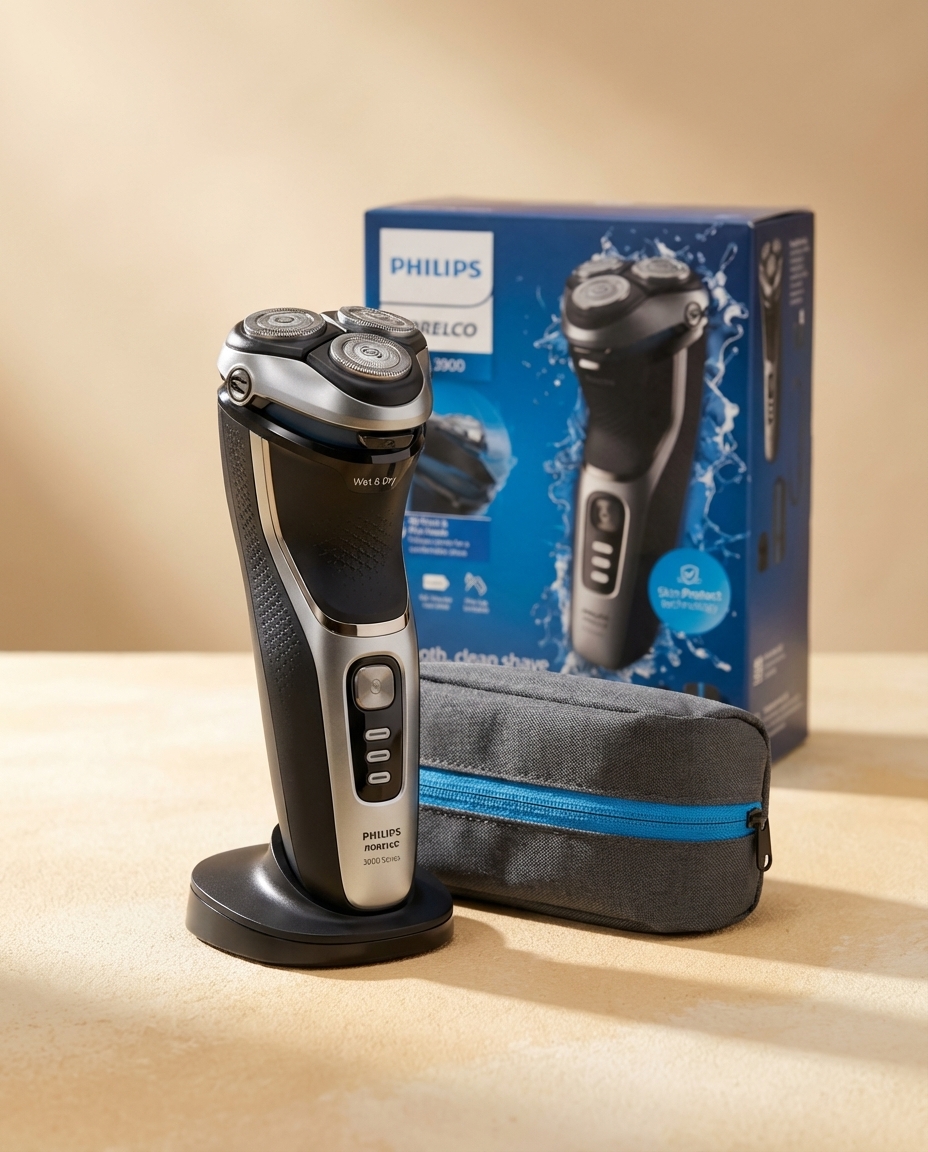
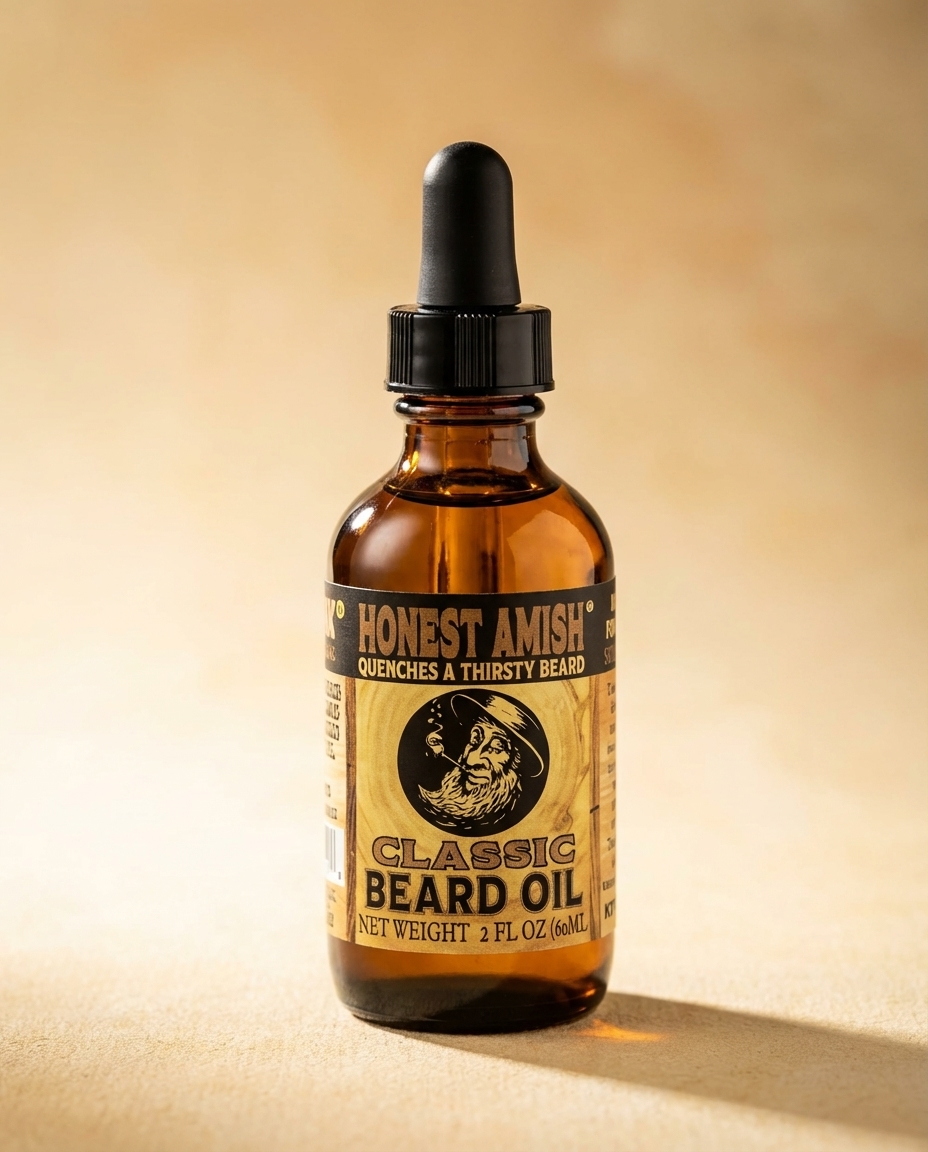
Our Recommended Products
These are the products we recommend for treating and preventing razor burn and ingrown hairs. They represent the best of what we’ve evaluated across formulation quality, ingredients, and real-world performance.
Prevention: How to Stop Razor Burn Before It Starts
Treatment is useful, but prevention is the real goal. Once you identify the habits causing your razor burn, it becomes much easier to eliminate.
Always Prep the Skin
Shave after a warm shower when possible. Heat opens pores and softens the hair, making the blade glide more easily. If you can’t shower first, apply a warm, damp towel to your face for 2–3 minutes before shaving.
Use a Quality Shaving Cream or Gel
Never shave dry. A good shaving cream or gel creates the lubrication layer your razor needs to glide rather than drag. Creams with glycerin or shea butter provide excellent slip. See our full guide on skincare routines for oily skin for product pairings that work across skin types.
Shave With the Grain First
Going with the direction of hair growth is less irritating than going against it. If you want a closer shave, make your first pass with the grain, reapply shaving cream, and make a second pass across the grain. Only go against the grain on the final pass if absolutely necessary, and only on areas that don’t already show irritation.
Change Your Blade Regularly
A blade should be replaced after 5–7 shaves, or sooner if it starts dragging. Most men use blades far longer than they should. A sharp blade requires less pressure and produces significantly less friction.
Rinse With Cold Water After Shaving
A cold-water rinse closes follicles and reduces post-shave inflammation. Pat — don’t rub — the skin dry with a clean towel.
Exfoliate Between Shaves
Two to three times per week, use a gentle facial exfoliant to keep dead skin from building up around follicles. This is the single most effective long-term prevention strategy for ingrown hairs, particularly for men with naturally curly facial hair.
If you work outdoors and deal with additional environmental exposure, combining a good shaving routine with proper sun protection significantly reduces overall skin stress. We cover this in detail in our guide to skincare for men who work outdoors.
When to See a Dermatologist
Most cases of razor burn and ingrown hairs are manageable at home. However, you should consider speaking to a dermatologist if:
- Bumps are painful, growing, or filled with pus — this may indicate folliculitis or a staph infection
- Ingrown hairs recur in the same spots despite consistent prevention
- You develop dark spots or scarring from repeated ingrown hairs (post-inflammatory hyperpigmentation)
- No over-the-counter treatment has made a meaningful difference after 2–3 weeks
Dermatologists can prescribe topical antibiotics, retinoids, or recommend laser hair removal for men with severe or chronic cases.
The Bottom Line
Razor burn and ingrown hairs are common but largely avoidable with better technique and the right products. The key changes that make the biggest difference are: never shaving dry, switching blades more frequently, and adding a targeted aftershave balm to your routine.
If you’re building your shaving routine from scratch, start with the basics covered in our beginner skincare guide and layer in the treatments above as needed. Most men see a dramatic reduction in razor burn within the first two weeks of applying these principles consistently.
Sharp blades. Good prep. The right products. That’s the entire formula.
Recommended Products
Philips Norelco Shaver 3900 Series
by Philips
What We Like
- Top-rated in its category
- Well-reviewed by skincare enthusiasts
Could Be Better
- Check Amazon for current availability
Honest Amish - Classic Beard Oil - 2 Ounce
by Honest
What We Like
- Top-rated in its category
- Well-reviewed by skincare enthusiasts
Could Be Better
- Check Amazon for current availability
Frequently Asked Questions
How long does razor burn last?
Most razor burn clears up within 2–3 days with proper aftercare. If redness or irritation persists beyond a week, it may be a sign of infection or folliculitis and worth seeing a dermatologist.
Can I shave over razor burn?
No. Shaving over active razor burn will worsen irritation and increase infection risk. Wait until the skin has fully healed before shaving again, typically 2–3 days.
Are ingrown hairs dangerous?
Most ingrown hairs are minor and resolve on their own. Severe or recurring cases can lead to folliculitis or scarring, especially for men with coarser or curlier hair. A consistent exfoliation and shaving routine dramatically reduces their frequency.
Does shaving cream prevent razor burn?
Yes, quality shaving cream or gel creates a protective barrier that significantly reduces friction. Dry shaving or using bar soap are leading causes of razor burn in men who shave regularly.
What is the fastest way to get rid of razor burn?
Apply a soothing aftershave balm or aloe vera gel immediately after shaving, avoid touching the area, and keep it moisturized. Cold compresses can reduce redness quickly in the first hour.