Best Skincare Products for Men with Oily Skin (Complete Routine)
Affiliate Disclosure: This article contains affiliate links. If you purchase through these links, we may earn a commission at no extra cost to you. As an Amazon Associate I earn from qualifying purchases. Full Disclosure
Oily skin gets a bad reputation, but it has real advantages: naturally oilier skin tends to age more slowly, develops fewer fine lines, and maintains elasticity longer than dry skin. The challenge is managing the shine, the clogged pores, and the breakouts that come with excess sebum production.
The good news is that oily skin responds very well to the right routine. The wrong products make it significantly worse — most men with oily skin who struggle have been using products designed for other skin types, or stripping their skin with harsh cleansers that trigger rebound oil production.
This guide covers a complete, optimized routine for men with oily skin, including the specific products we recommend at each step and the ingredients that actually make a difference.
How to Know If You Actually Have Oily Skin
Before building a routine around oily skin, it helps to confirm that’s actually what you’re dealing with.
Signs of oily skin:
- Skin looks shiny or greasy within a few hours of washing, especially on the forehead, nose, and chin (the T-zone)
- Enlarged or visibly clogged pores, particularly around the nose
- Frequent blackheads
- Makeup (if you wear any) doesn’t stay in place
- Acne or blemishes appear regularly
Combination skin is the most common variant: oily in the T-zone but normal or dry on the cheeks. If your cheeks are comfortable or even tight while your forehead shines, you likely have combination skin. The routine in this guide works for both.
The Ingredients That Actually Work for Oily Skin
Understanding the key ingredients helps you read product labels and make smart decisions without relying entirely on marketing claims.
Niacinamide (Vitamin B3) — The most versatile ingredient for oily skin. Niacinamide regulates sebum production, visibly minimizes pore appearance, reduces redness, and is gentle enough for daily use. Look for concentrations of 5–10%.
Salicylic Acid (BHA) — An oil-soluble acid that penetrates pores and dissolves the buildup of dead skin cells and sebum. Excellent for blackheads and acne-prone skin. Use in cleansers or as a dedicated exfoliant 2–3 times per week.
Retinol — Regulates cell turnover, reduces pore appearance, and controls oil over time. Start slowly — 2–3 nights per week — and build up. Oily skin generally tolerates retinol better than dry or sensitive skin.
Zinc — Particularly effective in sunscreens and moisturizers for oily skin. Zinc oxide has natural mattifying properties and anti-inflammatory benefits.
Hyaluronic Acid — A humectant that provides hydration without adding oil. Essential for keeping oily skin hydrated without making it greasier.
Clay — Found in masks and some cleansers. Absorbs excess oil and draws out impurities. Excellent for weekly use, but too drying for daily application.
Avoid: Heavy emollients (shea butter, coconut oil, mineral oil in high concentrations), thick cream textures, and products listing alcohol as a primary ingredient (drying alcohols trigger rebound oil production).
The Complete Oily Skin Routine
Step 1: Morning Cleanser
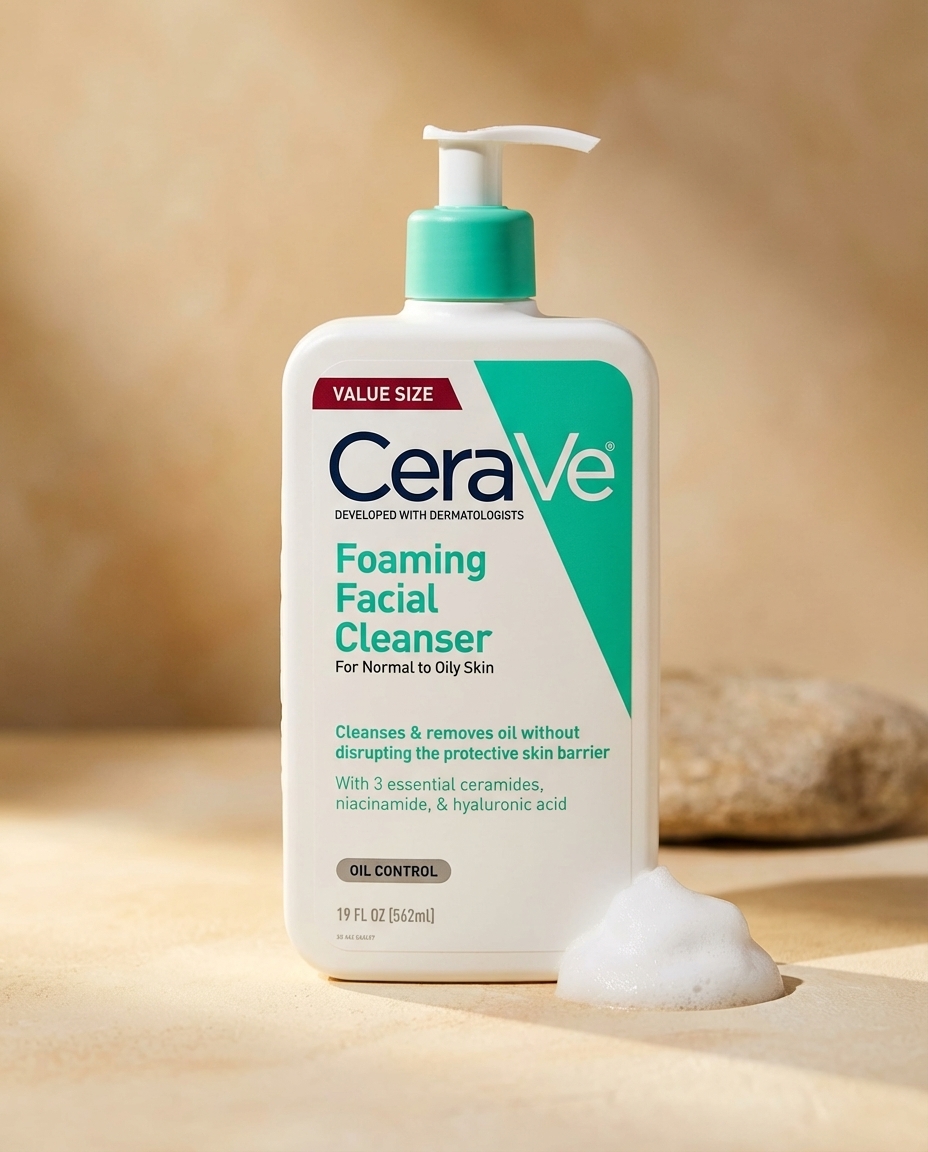
The morning cleanse removes overnight oil buildup and prepares skin for the products that follow. For oily skin, a gel or foaming cleanser is usually the right choice — these remove excess oil effectively without feeling heavy.
What to avoid in a cleanser: sulfates as the primary surfactant (too stripping), heavy creams, and physical exfoliants used daily (over-exfoliation triggers oil production).
Step 2: Toner or Exfoliant (3–4x per week)
A chemical toner containing BHA or niacinamide is highly effective for oily skin and represents the clearest upgrade most men can make to a basic routine. Unlike physical scrubs, chemical exfoliants work inside the pore to dissolve buildup rather than just scratching the surface.
Use a BHA toner or exfoliant after cleansing, 3–4 times per week. Not daily — more frequent use can cause irritation, especially when starting out.
Step 3: Niacinamide Serum (Morning or Evening)
A niacinamide serum is the most impactful single addition to an oily skin routine. Applied after toning and before moisturizer, it works throughout the day (or night) to regulate oil and minimize the appearance of pores.
In our testing, niacinamide serums at 10% concentration produce visible improvements in oil control within 4–6 weeks of consistent use.
Step 4: Oil-Free Moisturizer with SPF (Morning)
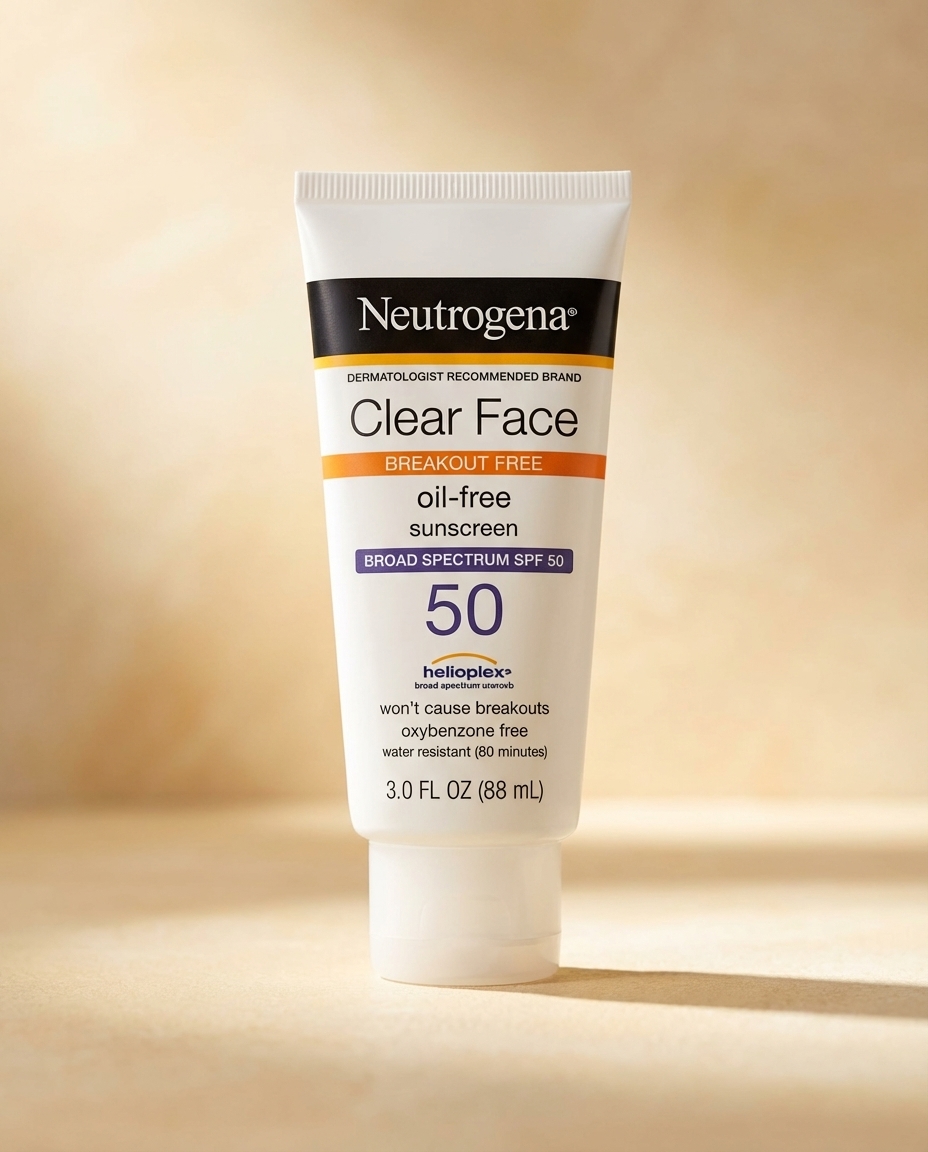
Yes, oily skin needs a moisturizer. And yes, it needs SPF every morning. The key is choosing a formula designed for your skin type — lightweight, oil-free, and ideally mattifying.
SPF 30 is the minimum. SPF 50 is better. Look for “oil-free,” “non-comedogenic,” and “mattifying” on the label. Gel-cream textures tend to work best for oily skin.
Step 5: Evening Cleanser + Retinol or Heavier Treatment
The evening routine allows for more active ingredients that need time to work undisturbed. After cleansing, apply a treatment product based on your primary concern:
- Retinol for long-term pore refinement and anti-aging
- BHA leave-on exfoliant for active blackhead treatment
- Niacinamide serum (can also be used in the evening)
For retinol specifically: start with a low concentration (0.25–0.5%) and apply every other night. Oily skin generally builds tolerance well, but jumping to daily use of a strong concentration early on will cause irritation.
Weekly Addition: Clay Mask
Once or twice per week, a clay mask can dramatically help manage oily skin. Clay absorbs excess sebum and draws out impurities from pores in a way that daily cleansing doesn’t match. Apply after cleansing, leave on for 10–15 minutes, then rinse and follow with moisturizer.
We recommend kaolin or bentonite clay-based masks. Avoid leaving clay masks on until they fully dry and crack — that stage actually irritates more than it helps.
Managing Oily Skin Throughout the Day
Your morning routine sets the foundation, but oily skin often reasserts itself by midday. A few practical strategies:
Blotting papers — Single-ply tissue designed to absorb surface oil without disturbing any SPF underneath. Far better than washing midday, which triggers more oil production.
Mattifying primer or SPF reapplication — If you’re in a profession where appearance matters, a mattifying primer applied over SPF in the morning can extend how long your skin stays matte.
Avoid touching your face. Hands transfer oil and bacteria directly. Men with oily skin are particularly susceptible to this because the oil provides a hospitable surface for bacterial colonization.
Watch the diet. High-glycemic foods and dairy have been linked to increased sebum production in some individuals. This connection isn’t universal, but if your skin flares after certain meals, it’s worth experimenting.
What to Expect With Consistent Use
Week 1–2: Skin may feel different — possibly slightly more irritated as it adjusts to active ingredients. This is normal.
Week 3–4: Cleaner-looking pores, reduced midday shine, and improved overall texture are typically noticeable at this point.
Week 6–8: Niacinamide and BHA produce increasingly visible results. Pores look smaller, blackheads reduce significantly.
Week 12+: If you’ve added retinol, this is when its effects on texture and oil regulation become most apparent. Long-term consistent use is what produces dramatic improvements.
If you’re also dealing with issues specific to outdoor work — additional sweat, sun exposure, or environmental pollution — we address those in our guide to skincare for men who work outdoors, which includes SPF recommendations appropriate for high-exposure conditions.
The Full Routine at a Glance
Morning:
- Foaming or gel cleanser
- Niacinamide serum (optional but recommended)
- Oil-free moisturizer with SPF 35–50
Evening:
- Gel or foaming cleanser
- BHA exfoliant (3–4x per week) OR niacinamide serum
- Retinol (start 2–3x per week, build to nightly)
- Lightweight oil-free moisturizer
Weekly:
- Clay mask once or twice
Ongoing:
- Blotting papers for midday oil control
- Regular razor/blade changes to reduce skin irritation (see our full guide on managing razor burn)
The Bottom Line
Oily skin is manageable — and in many ways, it’s one of the most responsive skin types to a properly constructed routine. The key is choosing the right ingredients (niacinamide, BHA, retinol, oil-free SPF), avoiding the ones that make things worse (heavy oils, harsh alcohol, thick creams), and giving the routine enough time to work.
Most men with oily skin who struggle have been using the wrong products, not losing a battle against their genetics. Start with the cleanser and SPF moisturizer. Add niacinamide. Introduce BHA. Build from there. Your skin will tell you what’s working — and oily skin responds fast when it gets what it needs.
Recommended Products
CeraVe Foaming Facial Cleanser
by CeraVe
What We Like
- Top-rated in its category
- Well-reviewed by skincare enthusiasts
Could Be Better
- Check Amazon for current availability
Neutrogena Clear Face Sunscreen Lotion for Acne-Prone Skin
by Neutrogena
What We Like
- Top-rated in its category
- Well-reviewed by skincare enthusiasts
Could Be Better
- Check Amazon for current availability
Frequently Asked Questions
Why is my skin so oily?
Oily skin is caused by overactive sebaceous glands producing excess sebum. Genetics play the largest role, but hormones, diet, humidity, stress, and using the wrong skincare products can all increase oiliness. Ironically, stripping the skin with harsh cleansers often makes oiliness worse.
Does moisturizer make oily skin worse?
No — this is one of the most persistent skincare myths. Dehydrated skin compensates by producing more oil. A lightweight, oil-free moisturizer can actually reduce oiliness over time by providing the hydration your skin needs without adding excess oil.
How many times a day should men with oily skin wash their face?
Twice — morning and evening. Washing more frequently strips natural oils and triggers more oil production. If you feel shiny midday, use a mattifying toner or blotting papers rather than an additional cleanse.
Can men with oily skin use retinol?
Yes, and oily skin tends to tolerate retinol well. Retinol helps regulate oil production and reduces pore appearance over time. Start with a low concentration (0.25–0.5%) applied every other night, then build frequency as your skin adjusts.
What ingredients should men with oily skin avoid?
Heavy oils (coconut oil, mineral oil), thick creams, and products with alcohol as a primary ingredient. Also avoid pore-clogging (comedogenic) ingredients like cocoa butter and certain silicones in high concentrations.