Men's Skincare After 40: What Changes and What to Do
Affiliate Disclosure: This article contains affiliate links. If you purchase through these links, we may earn a commission at no extra cost to you. As an Amazon Associate I earn from qualifying purchases. Full Disclosure
Our Top Picks at a Glance
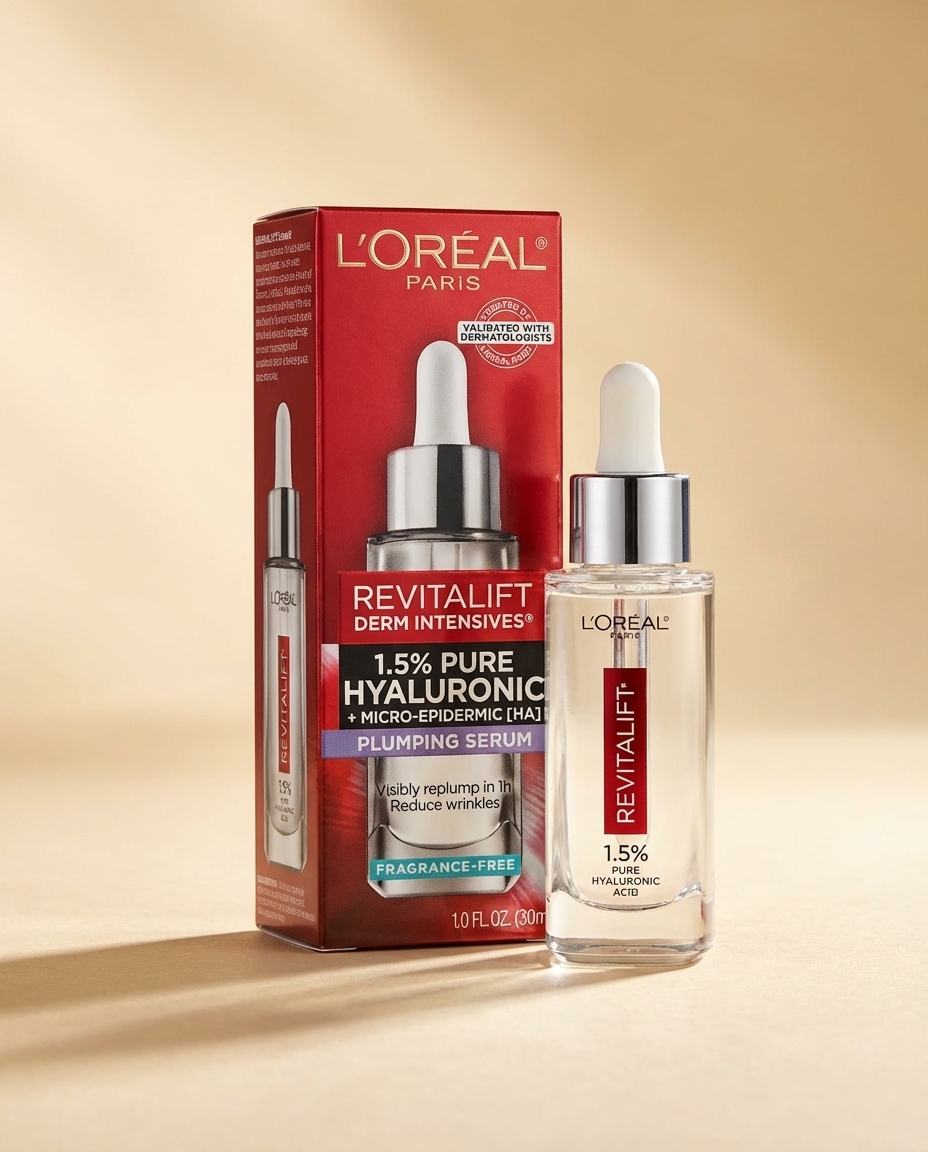
L'Oreal Paris Revitalift 1.5% Pure Hyaluronic Acid Serum for
L'Oreal
Top Pick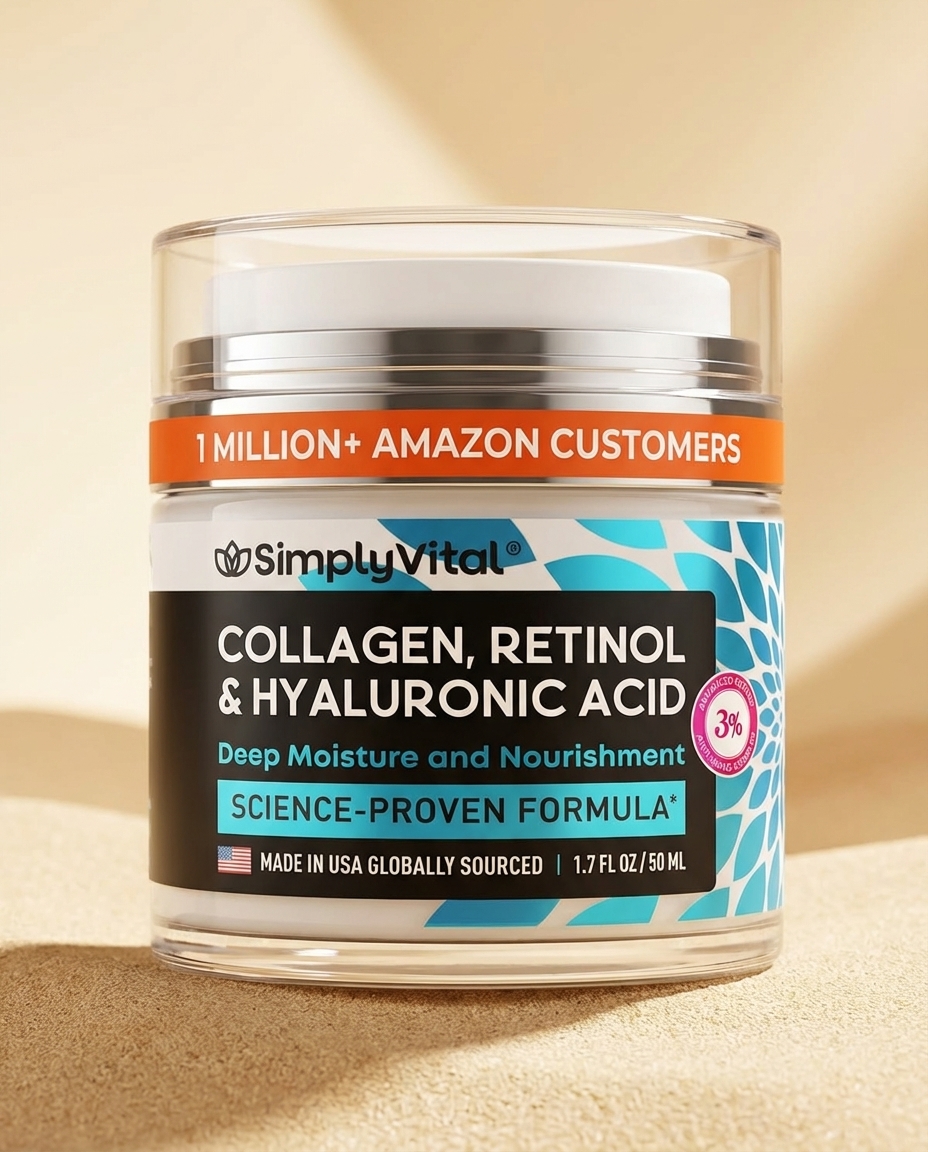
Anti-Aging Face Moisturizer with Retinol
Anti-Aging
Runner-Up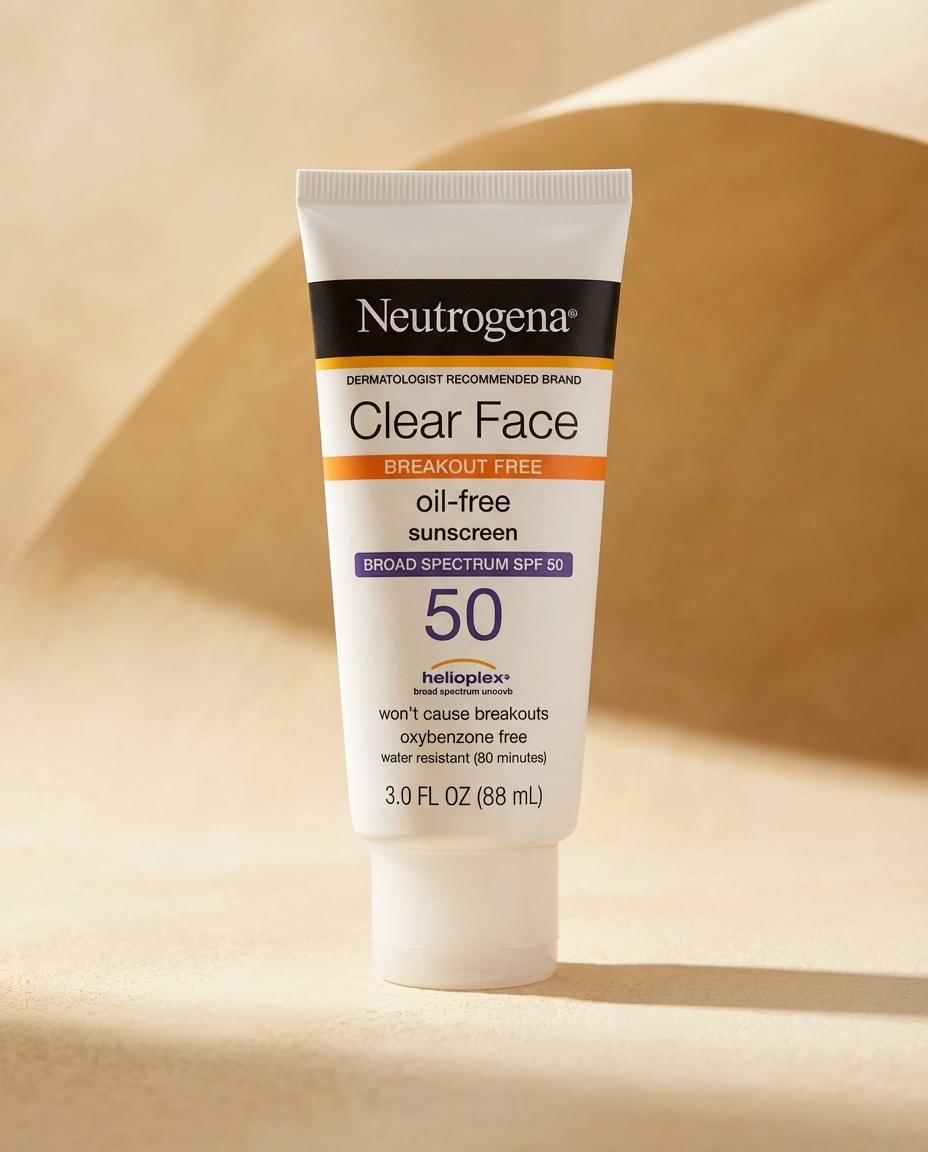
Neutrogena Clear Face Sunscreen Lotion for Acne-Prone Skin
Neutrogena
Also GreatTurning 40 doesn’t flip a switch. Skin doesn’t dramatically change overnight. But the biological processes that drive skin aging — collagen decline, cell turnover slowdown, hormonal shifts, cumulative UV damage — reach a threshold where the effects become consistently visible and the pace accelerates.
Men who build a proper routine in their 40s don’t just slow the visible aging process — they often reverse some of the changes that have accumulated. This guide explains what’s actually happening to your skin and what to do about it, with a complete, practical routine built for men over 40.
What Actually Changes After 40
Understanding the biology makes the product recommendations make more sense. Here’s what’s happening beneath the surface.
Collagen Production Declines
Collagen is the structural protein that gives skin its firmness and resistance to wrinkling. The body begins producing less collagen in the mid-20s, but the rate of decline accelerates significantly in the 40s. Men typically lose approximately 1% of collagen per year after the mid-20s, with some studies suggesting faster decline rates in the 40s and 50s.
The visible result: skin becomes less firm, loses its “snap-back” quality when pressed, and wrinkles become deeper rather than fine and shallow.
Cell Turnover Slows
Young skin replaces its outer cells approximately every 25–30 days. By the mid-40s, that cycle extends to 45–60 days. The practical effect: dead skin cells accumulate on the surface longer, creating a dull, rough, less reflective appearance. Skin tone becomes less even. Products absorb less efficiently.
Hyaluronic Acid Content Drops
The skin’s natural hyaluronic acid levels decline significantly with age. By 40, skin contains substantially less HA than it did at 25. The visible effect is reduced plumpness and moisture retention — skin looks more drawn and less hydrated even with similar habits.
Sebum Production Decreases
Unlike the teenage and young adult years when oil production is high, skin in the 40s typically becomes drier. Men who had oily skin in their 20s often find they need more moisturization in their 40s. Dry skin also shows fine lines more prominently.
UV Damage Accumulates and Shows
The cumulative effect of decades of UV exposure becomes visible in the 40s. Hyperpigmentation (age spots, sun spots), uneven skin tone, broken capillaries, and the overall texture degradation from UV-induced collagen damage all become more prominent. The full case for why UV is the primary driver of aging is in our SPF and anti-aging guide.
Testosterone Fluctuations
Testosterone levels begin a gradual decline around age 30 and continue through the 40s and beyond. Testosterone influences skin thickness, collagen synthesis, and sebum production. Lower testosterone contributes to the skin thinning and drying that accompanies aging. The impact is gradual but cumulative.
The 40s Skincare Framework
A skincare routine for men over 40 follows the same core structure as a basic routine — cleanse, treat, moisturize, protect — but adds targeted treatment steps and uses more potent ingredients.
Step 1: Cleanser
The goals are the same as at any age: remove buildup without stripping the skin barrier. In the 40s, cream or gel cleansers that maintain moisture are often preferable to the more aggressive foaming formulas. Dry skin needs a gentle, hydrating cleanser. If you still have oily skin (less common after 40), a light foaming cleanser remains appropriate.
Avoid cleansers with high alcohol content or harsh surfactants — these accelerate drying in already-drier skin.
Step 2: Vitamin C Serum (Morning Only)
Vitamin C is the morning workhorse for anti-aging in the 40s. It does three things simultaneously:
- Brightens existing hyperpigmentation from years of UV exposure
- Neutralizes free radicals from UV and environmental pollution that accelerate collagen breakdown
- Stimulates collagen synthesis directly
Apply vitamin C after cleansing and before moisturizer. It works synergistically with sunscreen — vitamin C captures what sunscreen misses. Look for L-ascorbic acid at 10–20% concentration, or more stable derivatives like ascorbyl glucoside or magnesium ascorbyl phosphate if L-ascorbic acid irritates your skin.
Step 3: Niacinamide Serum (Morning and/or Evening)
Niacinamide becomes more relevant in the 40s because it addresses several issues that compound with age: uneven skin tone, enlarged pores, compromised barrier function, and skin that’s less able to repair itself efficiently.
It pairs exceptionally well with both vitamin C (apply niacinamide second) and retinol (apply niacinamide first to buffer retinol’s initial irritation potential). The full case for this ingredient is in our niacinamide guide for men.
Step 4: Moisturizer
Moisturizer becomes more important in the 40s, not less. Drying skin needs active support to maintain the hydration levels that keep fine lines less visible and the skin barrier functional.
Look for formulas that combine humectants (hyaluronic acid, glycerin), emollients (fatty acids, squalane), and occlusives (shea butter, ceramides). In the morning, a lightweight moisturizer works under sunscreen. In the evening, a richer formula is appropriate.
Step 5: Retinol (Evening Only — The Most Important Step)
Retinol is the single most evidence-backed topical anti-aging ingredient available without a prescription. Its effects in clinical literature are extensive:
- Increases collagen production by stimulating fibroblast activity in the dermis
- Accelerates cell turnover — speeds up the slowing renewal process to restore younger-skin turnover rates
- Reduces wrinkle depth — measurably, in clinical studies over 12+ weeks
- Improves skin texture — surface becomes smoother and more reflective
- Fades hyperpigmentation — by accelerating turnover and inhibiting melanin production
- Increases skin thickness — counteracts the thinning that accompanies age
The catch: retinol causes an adjustment period. Initial weeks of use often produce dryness, flaking, and redness. This is normal and temporary. It can be minimized by:
- Starting low: Begin with 0.025% or 0.05% concentration. Move to 0.1% after 2–3 months.
- Going slow: Start with 2 nights per week. Work up to nightly use over 4–6 weeks.
- Buffering: Apply a moisturizer before retinol, or apply niacinamide serum first. This slows absorption and reduces irritation without eliminating efficacy.
- Sunscreen in the morning: Retinol increases photosensitivity. This is non-negotiable.
Step 6: Sunscreen (Morning — Final Step)
By the 40s, the damage from past UV exposure is visible. Sunscreen now serves two functions: preventing further damage and protecting the gains from your retinol and other actives. Retinol makes skin more photosensitive — making consistent daily sunscreen even more important than usual.
Use SPF 30 minimum, broad-spectrum. Apply as the final step after all other products have absorbed.
The Complete 40s Routine at a Glance
Morning Routine
| Step | Product Type | Purpose |
|---|---|---|
| 1 | Hydrating cleanser | Remove overnight buildup gently |
| 2 | Vitamin C serum | Antioxidant protection, brightening |
| 3 | Niacinamide serum | Oil control, pore reduction, tone |
| 4 | Moisturizer | Hydration and barrier support |
| 5 | SPF 30+ sunscreen | UV protection (non-negotiable) |
Evening Routine
| Step | Product Type | Purpose |
|---|---|---|
| 1 | Hydrating cleanser | Remove day’s buildup |
| 2 | Niacinamide serum | Barrier support overnight |
| 3 | Retinol serum | Collagen stimulation, renewal |
| 4 | Rich moisturizer | Lock in hydration overnight |
Optional add-on: Eye cream applied after serum, before moisturizer, using the ring finger around the orbital bone.
When to Consider Professional Treatments
Topical skincare produces real improvement, but some 40s skin concerns respond better to clinical treatments. This is not a recommendation to pursue any specific procedure, but an honest acknowledgment of what falls outside what a jar of cream can achieve.
Prescription tretinoin: The same as retinol but in a more potent form that penetrates deeper and works faster. Available only by prescription. If OTC retinol isn’t producing the results you want after 6 months of consistent use, a dermatologist consultation about tretinoin is worthwhile.
Chemical peels: A range of acid treatments that accelerate cell turnover more aggressively than any OTC product. Useful for significant hyperpigmentation, texture issues, and shallow wrinkles. Done in-office.
Microneedling: Creates controlled micro-injuries in the skin, triggering collagen production. Clinical studies show measurable improvement in skin firmness and wrinkle depth. Several sessions typically required.
Injectable fillers and botulinum toxin: For significant volume loss (structural dark circles, hollowed temples, deep nasolabial folds) or expression wrinkles, injectables are more effective than any topical approach. These are clinical decisions, not skincare.
The rule: topical skincare is highly effective for prevention, gradual improvement, and maintaining skin quality. Clinical procedures are more appropriate for reversing significant changes. Most men benefit from the former; some may benefit from both.
Skincare After 40 by the Decade
Early 40s (40–45)
The focus is establishing habit and addressing the first visible signs of aging. Start retinol, add vitamin C, ensure consistent SPF use. The adjustment period for retinol is worth the effort — the earlier you start, the more cumulative benefit you accumulate.
Most early-40s men see significant improvement within 3–6 months of this routine. The skin is still responsive and the collagen machinery still works well when stimulated.
Mid-40s to 50 (45–50)
The routine established in the early 40s continues. Consider increasing retinol concentration progressively (0.025% → 0.05% → 0.1% → 0.3%). Hydration becomes more important as sebum production continues declining. A richer evening moisturizer is appropriate.
This is also when a dermatologist annual skin check becomes highly recommended. Skin cancer risk increases with age and cumulative UV exposure.
Into the 50s
The same routine continues to work. Prescription retinoids become a reasonable consideration if OTC retinol plateaus. Consistency and patience remain the primary variables determining results.
Lifestyle Factors That Amplify Results
Skincare products work within the context of overall health. For men over 40, these factors have disproportionate impact on skin quality.
Sleep: Growth hormone is released during deep sleep and drives cellular repair including skin renewal. Chronic sleep deprivation accelerates aging measurably. 7–9 hours of quality sleep supports the work that retinol and other ingredients initiate.
Smoking: If there is a single lifestyle factor most dramatically linked to accelerated skin aging, it is smoking. The vascular constriction reduces blood flow and oxygen delivery to skin; the chemical exposure accelerates oxidative damage; the facial muscle movements create deep wrinkles around the mouth and eyes. Cessation produces visible skin improvement within months.
Diet and antioxidants: High intake of processed foods and refined sugars promotes a process called glycation — sugar molecules bonding to collagen fibers, making them rigid and prone to breakage. A diet higher in vegetables, healthy fats, and protein and lower in refined sugar supports skin collagen quality from the inside out.
Hydration: As discussed in the dark circles context, adequate hydration is a baseline requirement for skin to function properly. Even mild chronic dehydration accelerates the appearance of fine lines.
Exercise: Cardiovascular exercise increases blood flow to the skin, delivers oxygen and nutrients, and supports the mitochondrial function that underlies cellular energy in skin cells. Men who exercise regularly consistently have better skin quality at equivalent ages than those who don’t.
Building the Habit
The most sophisticated routine does nothing without consistency. In our experience, the men who see the best results are not those with the most products — they’re the ones who do a simple, appropriate routine reliably.
A practical approach for men new to anti-aging skincare:
Month 1: Establish cleanser, moisturizer, and sunscreen as a daily morning habit. This is the foundation from our 3-step skincare routine guide.
Month 2: Add vitamin C serum in the morning. Introduce retinol 2 nights per week in the evening.
Month 3: Add niacinamide. Increase retinol to 3–4 nights per week if skin is tolerating it well.
Month 4+: Routine is established. Evaluate results, adjust retinol frequency and concentration gradually. Continue indefinitely.
The four-month approach builds each habit before adding complexity. It reduces the risk of overwhelming the skin by introducing too many actives simultaneously. And it matches how the clinical benefits of retinol unfold — the real results begin around month 3.
Frequently Asked Questions Specific to Men Over 40
Should I use eye cream?
Yes, particularly for men over 40. The under-eye area is where thinning and dark circles become most visible. An eye cream with peptides, retinol (low concentration), or caffeine adds targeted support that a regular moisturizer doesn’t provide. Apply with your ring finger, pat gently, and treat it as the last step before sunscreen in the morning.
What about neck and chest?
The neck and chest accumulate UV damage and collagen loss like the face. Men often neglect them and the contrast between a cared-for face and a neglected neck becomes obvious over time. Extend your routine downward — cleanser, moisturizer, and sunscreen down the neck. Retinol can be applied to the neck but start with a very low concentration as neck skin is sensitive.
Do I need separate products for morning and evening?
Ideally, yes. The morning routine is about protection (vitamin C + SPF). The evening routine is about repair (retinol + richer moisturizer). Some overlap (niacinamide, cleanser, moisturizer) is fine, but retinol is strictly evening only and SPF strictly morning only.
What if my skin is very oily?
Less common in the 40s but not rare. Oily skin in the 40s often benefits from a lighter moisturizer (gel texture), a lower-strength retinol to avoid increased oiliness during adjustment, and niacinamide for its oil regulation. The routine structure remains the same; the formulas within it adjust.
The Bottom Line
Men’s skin after 40 faces real, measurable changes: collagen decline, slower renewal, reduced natural hydration, and the accumulated weight of sun exposure. These changes are visible and they accelerate without intervention.
The right routine at this stage is not complex but it is more thorough than the minimal approach suitable for younger skin. Retinol plus sunscreen is the core. Vitamin C, niacinamide, and targeted hydration complete the picture. The earlier you establish this routine, the more cumulative benefit you build.
The men who look significantly younger than their age in their 50s and 60s are not exclusively genetic lottery winners. Many of them simply started taking skin health seriously in their 40s and stayed consistent. That is an achievable outcome.
Recommended Products
L'Oreal Paris Revitalift 1.5% Pure Hyaluronic Acid Serum for
by L'Oreal
What We Like
- Top-rated in its category
- Well-reviewed by skincare enthusiasts
Could Be Better
- Check Amazon for current availability
Anti-Aging Face Moisturizer with Retinol
by Anti-Aging
What We Like
- Top-rated in its category
- Well-reviewed by skincare enthusiasts
Could Be Better
- Check Amazon for current availability
Neutrogena Clear Face Sunscreen Lotion for Acne-Prone Skin
by Neutrogena
What We Like
- Top-rated in its category
- Well-reviewed by skincare enthusiasts
Could Be Better
- Check Amazon for current availability
Frequently Asked Questions
Is it too late to start skincare at 40?
No. Starting at 40 produces significant, measurable improvement. The skin's renewal machinery slows but does not stop. Consistent use of retinol, sun protection, and hydration produces visible results within 3–6 months and continues improving for years.
What is the most important skincare ingredient for men over 40?
Retinol (vitamin A). It's the most extensively studied topical anti-aging ingredient, shown in clinical research to increase collagen production, accelerate cell turnover, reduce wrinkle depth, and improve skin texture. Sunscreen is a close second — it prevents further damage while retinol addresses existing changes.
Do I need to see a dermatologist for anti-aging skincare?
A general skincare routine can be built without a dermatologist. However, a single consultation is worthwhile for men with significant skin changes, persistent acne, or interest in prescription-strength ingredients like tretinoin (prescription retinol). Annual skin cancer screenings are recommended for all men over 40.
Can men use anti-aging products designed for women?
Yes. The marketing is different; the biology is similar enough that effective ingredients work regardless of gender. Men's skin is thicker and may benefit from slightly higher concentrations, but the core ingredients — retinol, hyaluronic acid, vitamin C, niacinamide, peptides — perform the same functions.
How long before anti-aging products show results?
Hydration improvements are visible within days. Retinol produces measurable collagen improvement at 12 weeks and continues improving for 6–12 months. Skin texture and tone improvements typically become visible to others around the 3-month mark. Patience and consistency are the primary requirements.