The Complete Men's Skincare Routine: A Beginner's Guide
Affiliate Disclosure: This article contains affiliate links. If you purchase through these links, we may earn a commission at no extra cost to you. As an Amazon Associate I earn from qualifying purchases. Full Disclosure
Our Top Picks at a Glance
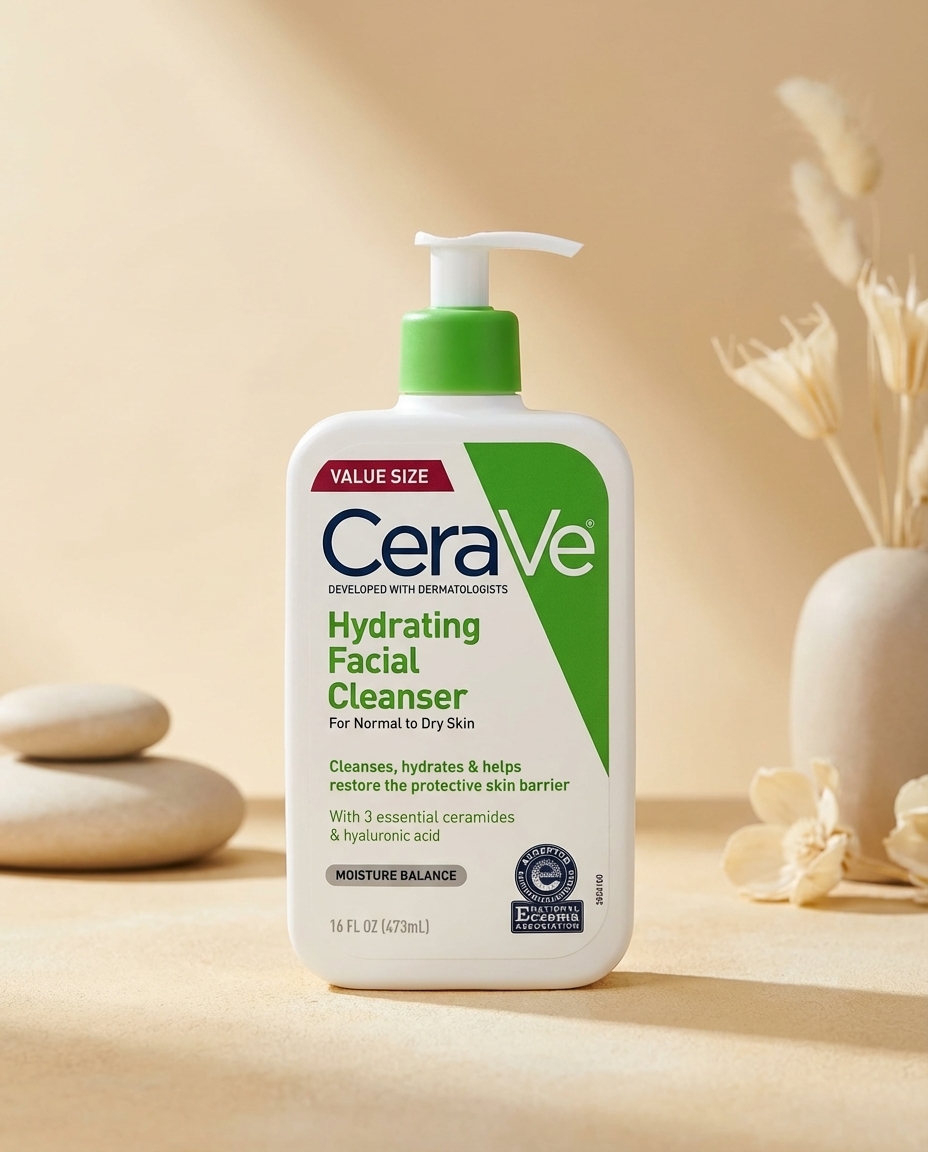
CeraVe Hydrating Facial Cleanser
CeraVe
Top Pick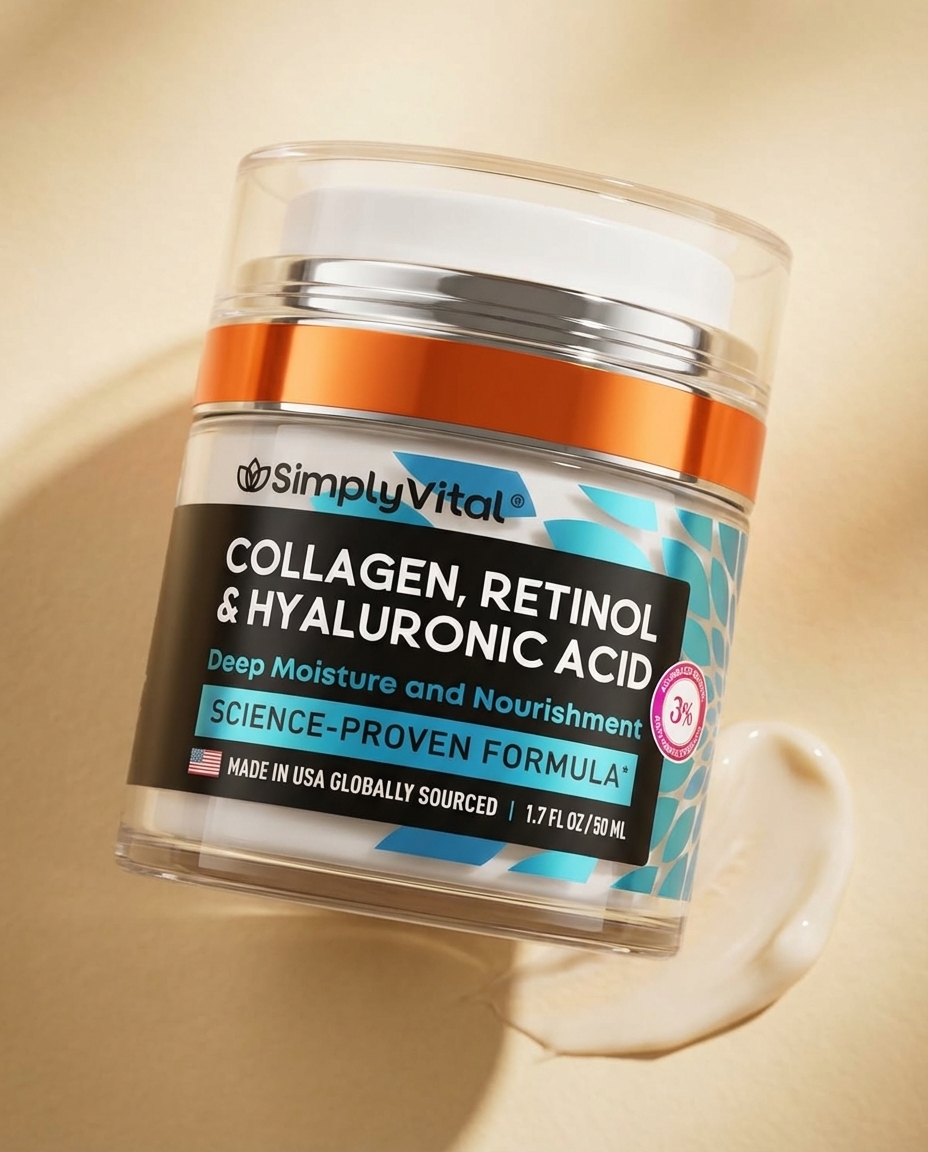
Anti-Aging Face Moisturizer with Retinol
Anti-Aging
Runner-Up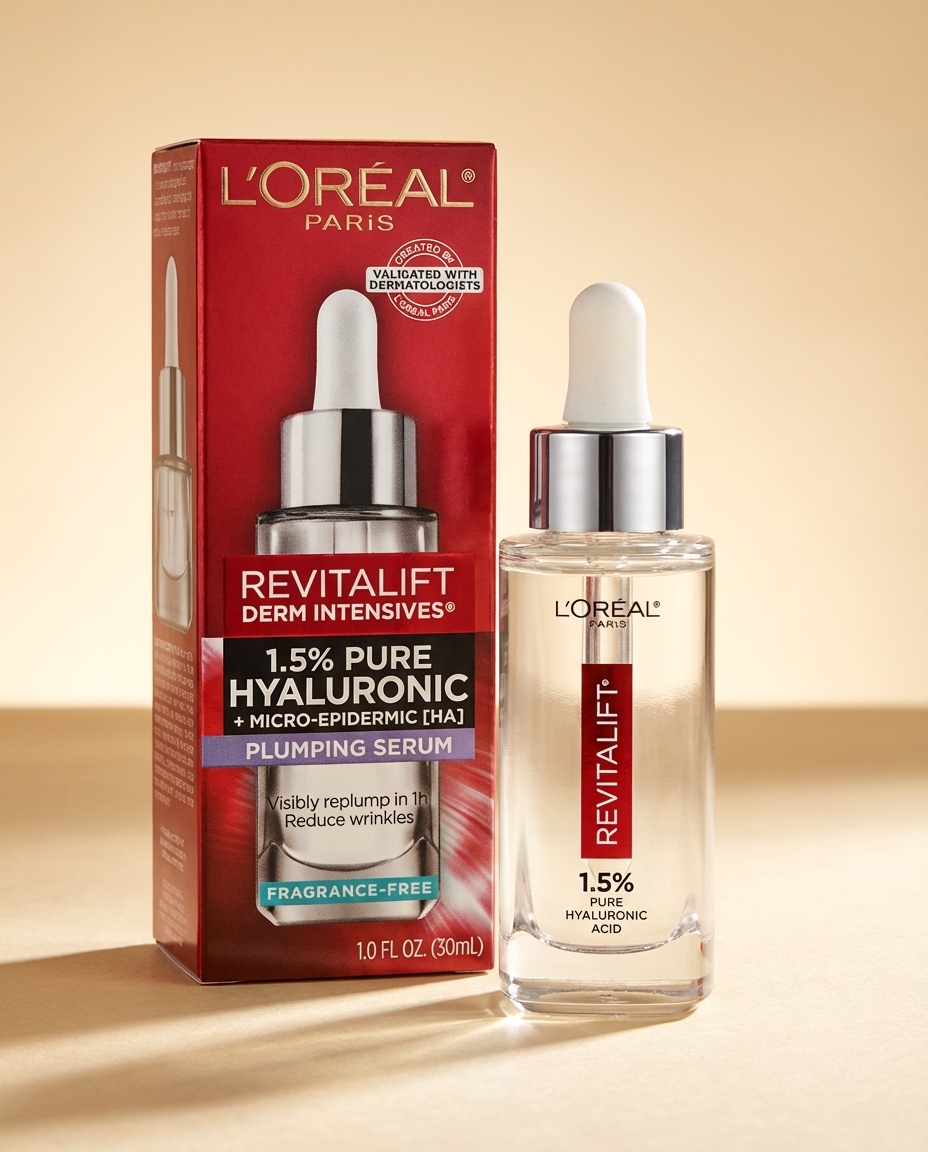
L'Oreal Paris Revitalift 1.5% Pure Hyaluronic Acid Serum for
L'Oreal
Also GreatMost men’s skincare content makes one of two mistakes: it’s either so simplified that it’s useless (“just wash your face and moisturize”), or so complicated that it reads like a chemistry textbook. This guide is neither.
What follows is everything you actually need to know to build a routine that works — from the absolute basics to the optional additions that make a real difference. We’ll tell you what each step does, which products we recommend, and in what order everything goes. By the end, you’ll have a complete system tailored to your starting point.
Why Men’s Skin Is Different (And Why It Matters)
Before we get into products, it helps to understand what you’re working with.
Men’s skin is structurally different from women’s in a few important ways. It’s approximately 25% thicker on average, with more collagen density and higher sebum production from androgen activity. This means men tend to experience more oiliness and are more prone to clogged pores and blackheads. Shaving — whether daily or several times a week — creates mechanical stress on the skin barrier, leading to microabrasions, irritation, and heightened sensitivity in the lower face and neck.
On the positive side, higher collagen density means men often age more slowly in early-to-mid life. But when aging does accelerate (typically in the mid-40s), it can happen faster and more visibly.
The practical implications: men need products that address oil control, barrier repair from shaving stress, and UV protection. A routine that handles these three things correctly will keep most men’s skin healthy for decades.
Understanding Your Skin Type
Before you buy anything, you need a realistic assessment of your skin type. Here’s a quick diagnostic:
Normal skin: Rarely oily or dry. Pores are small. Minimal breakouts. The easiest type to manage.
Oily skin: Shiny appearance, especially in the T-zone (forehead, nose, chin). Prone to blackheads and whiteheads. Pores appear larger. Needs oil-controlling formulas.
Dry skin: Feels tight after cleansing. Occasional flakiness. May feel rough or dull. Needs rich, occlusive moisturizers.
Combination skin: Oily T-zone with normal or dry cheeks. The most common type. May need to use different products on different areas.
Sensitive skin: Easily irritated, redness-prone. Reacts to fragrance, alcohol, and harsh actives. Needs fragrance-free, hypoallergenic formulas.
Most men can identify their type by examining their face midday — that’s when oil patterns are most visible. Don’t assess your skin right after washing, as cleansing temporarily alters the surface.
The Core Routine: What Every Man Needs
Step 1: Cleanser (Morning and Evening)
What it does: Removes dirt, excess oil, environmental pollutants, and the oxidized sebum that clogs pores. Evening cleansing is more critical — you’re removing everything your skin accumulated during the day.
How to use it: Wet your face with lukewarm water (hot water disrupts the skin barrier). Apply a small amount of cleanser, work it gently into skin for 30-60 seconds, and rinse thoroughly. Pat dry — don’t rub.
What to avoid: Cleansers with alcohol high in the ingredient list, strong fragrances, sulfates that strip excessively. A good cleanser leaves your face feeling clean and comfortable, not tight or squeaky.
For normal to oily skin: A foaming or gel cleanser works well. We recommend CeraVe Foaming Facial Cleanser — it removes oil effectively without stripping, and uniquely for a cleanser, it replaces ceramides as it cleans.
For dry or sensitive skin: Use a cream or milky cleanser. CeraVe Hydrating Facial Cleanser or La Roche-Posay Toleriane Hydrating Gentle Cleanser are both excellent.
For acne-prone skin: Look for a cleanser with salicylic acid. La Roche-Posay Effaclar Medicated Gel Cleanser is our top recommendation — see our La Roche-Posay vs CeraVe comparison for more detail on why.
One rule: Don’t use bar soap on your face. Bar soap is formulated at a pH of 9-11, far too alkaline for facial skin (which operates around pH 4.5-5.5). It disrupts the acid mantle and damages the barrier.
Step 2: Toner (Optional but Useful)
What it does: Historically, toners were astringents to remove excess oil. Modern toners do something more useful — they deliver lightweight hydration and prepare skin to absorb the next products in your routine.
Who needs it: Optional for everyone, but most beneficial for oily skin (to refine pores) or anyone who wants to add an extra layer of hydration between cleanser and moisturizer.
What to use: Look for alcohol-free hydrating toners with niacinamide, hyaluronic acid, or centella asiatica. Avoid anything containing denatured alcohol (SD alcohol, alcohol denat.) near the top of the ingredient list — these strip the skin barrier.
Who can skip it: If you’re starting from scratch, skip toner until you’ve established your cleanser and moisturizer habit. Add it later if you want.
Step 3: Serum (Optional, High Impact)
What it does: Serums are high-concentration treatments that deliver active ingredients deeper into skin than a moisturizer can. They address specific concerns: vitamin C for brightening and antioxidant protection, niacinamide for oil control and tone, hyaluronic acid for deep hydration, retinol for anti-aging and cell turnover.
How to use it: Apply serum after toner (or cleanser, if you skip toner) and before moisturizer. A few drops is typically enough — press gently into skin rather than rubbing.
The best serums for men:
Niacinamide (for oily, acne-prone, or uneven skin): The Ordinary Niacinamide 10% + Zinc 1% is the best-value option. Niacinamide at 5-10% reduces sebum production, minimizes pore appearance, and evens skin tone without irritation. It’s also one of the most forgiving actives — suitable for twice-daily use even on sensitive skin.
Vitamin C (for brightening, anti-aging, protection): The most evidence-backed antioxidant in skincare. Apply in the morning under SPF for maximum protective effect. For budget options, Timeless Vitamin C + E + Ferulic is our recommendation. For maximum efficacy, SkinCeuticals C E Ferulic is worth the premium — the formulation science is real. Our cheap vs expensive skincare guide covers this in depth.
Hyaluronic acid (for hydration boost): Particularly useful for dry skin or in dry climates. The Ordinary Hyaluronic Acid 2% + B5 is reliable and inexpensive. Apply to damp skin for best results — hyaluronic acid needs water to bind to.
Retinol (for anti-aging, cell turnover, acne): Retinol is a later addition to your routine, not a beginner step. Start it only after your core cleanser-moisturizer-SPF routine is established and consistent. Our retinol guide for men covers everything you need to know.
Step 4: Moisturizer (Morning and Evening)
What it does: Moisturizers do two things: they attract water to skin (humectants like hyaluronic acid) and they seal it in (occlusives and emollients like ceramides, shea butter, or squalane). A good moisturizer also actively repairs the skin barrier by replenishing the lipids that cleansing and environmental exposure remove.
Why men often skip this: The myth that moisturizer makes you look oily. The reality: oily skin often overproduces sebum because the skin barrier is disrupted — it compensates for dehydration. Moisturizing correctly can actually reduce oiliness over time.
For dry or sensitive skin: CeraVe Moisturizing Cream is our default recommendation. The ceramide-plus-MVE formula is clinically proven to restore barrier function. La Roche-Posay Toleriane Double Repair is a lighter-textured alternative that also includes niacinamide. See our detailed La Roche-Posay vs CeraVe comparison for the full breakdown.
For oily or combination skin: A gel or gel-cream formulation. Neutrogena Hydro Boost Water Gel is lightweight and effective. Clinique For Men Maximum Hydrator is a premium option with a particularly fast-absorbing finish.
For all skin types: Look for fragrance-free formulas. Fragrance is the most common sensitizer in skincare and provides zero skincare benefit.
Morning vs. evening moisturizer: Many men use the same moisturizer AM and PM. This is fine. If you want to optimize, a richer cream at night (when your skin repairs itself most actively) and a lighter formula in the morning (for layering under SPF) is the ideal split.
Step 5: SPF (Every Morning — Non-Negotiable)
What it does: Broad-spectrum sunscreen protects against UVA rays (which penetrate deep and cause premature aging, collagen breakdown, and DNA damage) and UVB rays (which cause sunburn and are the primary driver of skin cancer). Daily SPF is the single highest-impact skincare habit you can build.
Who needs it: Every man, every day, year-round. UV radiation penetrates clouds, windows, and windshields. Sitting at a desk near a window accumulates meaningful UV exposure over weeks and months.
Minimum effective dose: SPF 30 blocks approximately 97% of UVB rays. SPF 50 blocks about 98%. We recommend SPF 30 as the minimum and SPF 50 if you’re outdoors regularly.
The compliance problem: Most men skip SPF because they hate how it feels. This is a real problem worth solving. Heavy, greasy sunscreens make you avoid them — which means zero protection.
What we recommend: La Roche-Posay Anthelios Melt-In Sunscreen SPF 60 for a clean finish under any moisturizer. EltaMD UV Clear SPF 46 for acne-prone skin (it’s formulated specifically to not clog pores). If you want one product for moisturizer and SPF, CeraVe Facial Moisturizing Lotion with SPF 30 is a solid two-in-one.
How to apply: Apply sunscreen as the last step in your morning routine, after moisturizer. Most men use far too little — you need approximately a nickel-sized amount for just your face. Apply to your neck and ears too, which are frequently exposed and frequently forgotten.
The Full Routine at a Glance
Morning Routine
- Cleanser (or rinse with water if skin isn’t oily)
- Toner (optional)
- Vitamin C serum (optional but valuable)
- Moisturizer
- SPF (required)
Evening Routine
- Cleanser (always — this is when it matters most)
- Toner (optional)
- Treatment serum (niacinamide, retinol, or hyaluronic acid)
- Moisturizer (can use a richer formula than AM)
Total time: 3-5 minutes per session. You don’t need to spend more time than this.
How to Start If You’re Completely New
Don’t try to implement everything at once. Here’s a phased approach:
Week 1-2: Cleanser morning and evening + SPF in the morning. Just these three. Get the habit established.
Week 3-4: Add moisturizer. Morning after cleanser (before SPF), evening after cleanser.
Month 2: Evaluate your skin. Is it oilier than you’d like? Drier? Breaking out? Now that your barrier is healthier, you can make clearer assessments.
Month 3+: Add one serum based on your primary concern. Niacinamide for oil and pores. Vitamin C for brightening. Retinol for anti-aging (but read our retinol guide for men first — there’s a right way to introduce it).
After Shaving: The Forgotten Step
Shaving removes not just hair but also the top layer of skin cells and disrupts the barrier. Post-shave skin is more permeable and more reactive.
What to do: After shaving, rinse with cool water and apply an alcohol-free balm or moisturizer immediately. Avoid aftershave splashes with alcohol — they create a burning sensation because they’re irritating already-compromised skin.
If you shave in the shower (recommended), let your cleanser do double duty by washing your face before you shave — the warm steam will have softened the hair, and clean skin reduces irritation.
Apply your serum and moisturizer after shaving, not before. Your post-shave skin absorbs products more readily — but also reacts more readily to anything potentially irritating.
Building vs. Buying a System
We covered DTC brands like Tiege Hanley, Lumin, and Geologie in depth in our DTC brand comparison. The short version: DTC brands are excellent for removing decision friction, but building your own routine from pharmacy and mid-range brands typically delivers better ingredient value at lower cost. Both approaches are valid — it depends on how much time you want to invest in research.
Skin Type Product Matrix
| Skin Type | Cleanser | Moisturizer | Serum |
|---|---|---|---|
| Normal | CeraVe Foaming | Kiehl’s Ultra Facial | Vitamin C (optional) |
| Oily | La Roche-Posay Effaclar | Neutrogena Hydro Boost | Niacinamide 10% |
| Dry | CeraVe Hydrating | CeraVe Moisturizing Cream | Hyaluronic Acid |
| Combination | CeraVe Foaming | La Roche-Posay Toleriane | Niacinamide |
| Sensitive | La Roche-Posay Toleriane | CeraVe Moisturizing Cream | Centella Asiatica |
| Acne-prone | La Roche-Posay Effaclar | La Roche-Posay Toleriane | Niacinamide 10% |
The One Mistake Men Make Most Often
Skipping moisturizer because they think oily skin means they don’t need it. Then skipping SPF because they don’t want to add another product on top. Then wondering why their skin looks dull, uneven, and older than it should.
Moisturizer and SPF are the two highest-leverage habits in this entire guide. Everything else is optimization. Start there and build outward.
If you’re ready to take the next step after establishing your core routine, our retinol guide for men is the natural next read.
Recommended Products
CeraVe Hydrating Facial Cleanser
by CeraVe
What We Like
- Top-rated in its category
- Well-reviewed by skincare enthusiasts
Could Be Better
- Check Amazon for current availability
Anti-Aging Face Moisturizer with Retinol
by Anti-Aging
What We Like
- Top-rated in its category
- Well-reviewed by skincare enthusiasts
Could Be Better
- Check Amazon for current availability
L'Oreal Paris Revitalift 1.5% Pure Hyaluronic Acid Serum for
by L'Oreal
What We Like
- Top-rated in its category
- Well-reviewed by skincare enthusiasts
Could Be Better
- Check Amazon for current availability
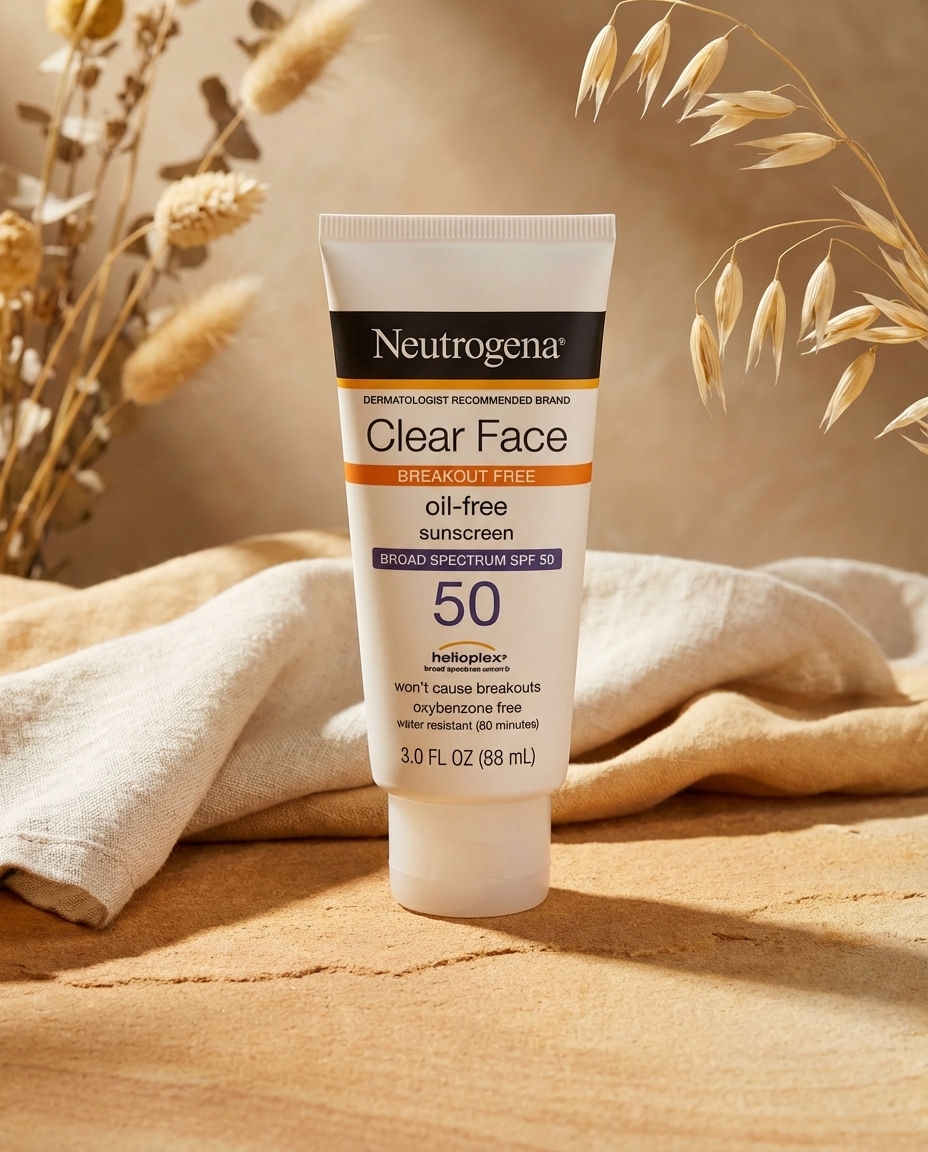
Neutrogena Clear Face Sunscreen Lotion for Acne-Prone Skin
by Neutrogena
What We Like
- Top-rated in its category
- Well-reviewed by skincare enthusiasts
Could Be Better
- Check Amazon for current availability
Frequently Asked Questions
How many steps does a men's skincare routine need to be?
A functional men's skincare routine can be as few as two steps: cleanser and SPF moisturizer. Adding a dedicated moisturizer and a serum brings you to four or five steps, which covers the vast majority of skin concerns. More steps aren't inherently better.
When should men start a skincare routine?
The best time to start is now, regardless of age. Men in their 20s benefit from prevention — especially SPF. Men in their 30s and 40s benefit from adding actives like retinol and vitamin C. There's no age where it's too late to improve skin health.
Do men need different skincare than women?
Men's skin is on average 25% thicker than women's, produces more sebum, and is frequently stressed by shaving. These differences matter for product selection, but most effective skincare ingredients — ceramides, niacinamide, retinol, SPF — work identically regardless of gender.
How long does it take to see results from a skincare routine?
Basic hydration improvement is visible within days. Barrier repair typically shows meaningful improvement in 2-4 weeks. Active ingredients like retinol and vitamin C take 8-12 weeks of consistent use to show their full effects. Consistency over time is the most important variable.
Should men use toner?
Toner is optional for most men. If you choose to use one, look for hydrating toners with niacinamide or hyaluronic acid rather than astringent alcohol-based formulas that disrupt the skin barrier.
Can men use the same skincare products as women?
Yes. Skin biology doesn't differ dramatically by gender, and most effective skincare products work the same regardless of who uses them. Marketing labels like 'for men' are often more about branding than formulation.
What's the most important skincare product for men?
Broad-spectrum SPF, applied every morning. UV damage is the primary driver of premature skin aging, uneven tone, and increased skin cancer risk. Consistent daily SPF use has more impact on long-term skin health than any other single product.